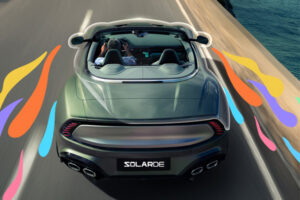
Paint protection film, commonly abbreviated as PPF, is a transparent or colored adhesive film applied to painted automotive surfaces to help protect them from stone chips, light scratches, road debris, insect residue and environmental contamination. Modern automotive PPF is commonly built around a flexible thermoplastic polyurethane substrate, combined with a protective topcoat and pressure-sensitive adhesive.
Unlike a liquid wax, sealant or ceramic coating, PPF creates a physical barrier over the vehicle surface. It can be installed on the full body or on high-impact areas such as the hood, front bumper, mirror caps, fenders, door edges and rocker panels. Depending on the product design, PPF can also change the vehicle’s finish from gloss to matte or add a completely different color.
What Is Paint Protection Film and How Does It Work?
Paint protection film is a multilayer automotive film designed to absorb or reduce surface damage before it reaches the vehicle’s paint.
Once installed, the film becomes the outermost layer exposed to road conditions. Small stones, sand, branches, washing marks and other contaminants contact the PPF surface rather than directly striking the clear coat underneath.
The flexible film can deform under light impact and then recover, reducing the risk of visible chips and scratches. Premium products may also include a self-healing topcoat. This does not mean that every cut or puncture disappears. Self-healing generally applies to light surface marks and fine scratches, which may become less visible when the film is warmed by sunlight, hot water or another controlled heat source.
For example, 3M’s official paint protection film information describes self-healing technology, stain resistance and protection against common road hazards. The actual performance still depends on film formulation, impact force, installation quality, exposure conditions and maintenance.
PPF should therefore be viewed as a sacrificial protective layer rather than an indestructible shield. Severe impacts can still damage both the film and the paint beneath it.
What Is Paint Protection Film Made Of?
Most modern automotive PPF products use thermoplastic polyurethane, or TPU, as the main film substrate. TPU is selected because it can combine flexibility, elongation, optical clarity, impact absorption and conformability over curved vehicle panels.
Lubrizol’s technical information on TPU-based paint protection film highlights properties such as clarity, weather resistance, self-healing potential and resistance to yellowing. However, not every TPU grade or finished PPF product provides the same performance. The formulation of the substrate, topcoat and adhesive must work together as a complete system.
A typical PPF construction includes the following layers:
| PPF Layer | Main Function | Important Quality Considerations |
|---|---|---|
| Protective topcoat | Provides the exposed surface with stain resistance, gloss or matte appearance, easier cleaning and potential self-healing performance. | Surface smoothness, gloss consistency, hydrophobicity, scratch recovery and resistance to chemicals or contamination. |
| TPU base film | Provides thickness, flexibility, stretch, impact absorption and mechanical strength. | Clarity, elongation, tensile strength, weather resistance, thickness consistency and resistance to discoloration. |
| Pressure-sensitive adhesive | Bonds the film to the painted surface while allowing positioning during professional installation. | Initial tack, repositionability, peel strength, edge stability, adhesive clarity and clean removal. |
| Release liner | Protects the adhesive during production, storage, cutting and transportation. | Clean release, surface cleanliness, coating uniformity and resistance to contamination. |
The exact number and composition of layers may vary. Some films use specialized coatings, colored TPU, metallic pigments, textured surfaces or additional functional layers. Buyers should therefore compare complete technical data rather than evaluating a product only by the word “TPU.”
What Are the Main Functions of PPF?
The primary function of PPF is to protect painted surfaces, but a well-designed film may provide several additional benefits.
1. Protection Against Stone Chips and Road Debris
The front bumper, hood, front fenders and mirror caps are constantly exposed to gravel, sand and small road particles. PPF adds a flexible layer that helps absorb part of the impact before it reaches the factory paint.
2. Resistance to Light Scratches and Abrasion
Fine marks may be caused by branches, washing tools, clothing, fingernails and daily contact. A protective topcoat helps reduce direct abrasion of the vehicle’s clear coat. Self-healing formulations may also reduce the visibility of light surface scratches.
3. Protection From Insects, Bird Droppings and Road Contaminants
Insect residue, bird droppings, road tar, oils and other contaminants can stain or etch automotive surfaces if left untreated. PPF creates an additional barrier and may make routine cleaning easier, although contaminants should still be removed promptly.
4. Preservation of the Original Paint Appearance
A high-clarity film can help retain the original color and gloss of the paint while adding minimal visible texture. Clear-film optical quality is especially important on dark-colored and high-gloss vehicles, where haze, orange peel or adhesive marks are easier to notice.
5. Surface and Color Customization
PPF is no longer limited to transparent gloss film. Matte, satin, black, metallic and colored options can alter the vehicle appearance while still providing a protective layer. Buyers can explore SolarDe’s clear paint protection film and color PPF collections for different surface effects.
What Are the Main Types of Paint Protection Film?
PPF can be classified by appearance, substrate formulation, surface finish and intended application.
| PPF Type | Appearance | Common Use |
|---|---|---|
| Clear gloss PPF | Transparent with a high-gloss finish | Protecting original glossy paint while maintaining its factory appearance. |
| Clear matte PPF | Transparent with a low-gloss or matte finish | Protecting factory matte paint or converting glossy paint into a matte appearance. |
| Color PPF | Available in solid, metallic, pearl or color-shifting finishes | Combining paint protection with vehicle color customization. |
| Black PPF | Gloss black, matte black or satin black | Full-body restyling, roof applications, trim coverage and black-out projects. |
| Metallic PPF | Contains metallic or reflective visual effects | Premium restyling projects requiring additional depth and light reflection. |
| Textured PPF | Carbon-fiber, forged-carbon or other patterned surfaces | Interior trim, roofs, mirror caps and decorative exterior sections. |
Clear PPF mainly preserves the original vehicle color, while color PPF changes the appearance. This distinction is important because colored products require additional evaluation of pigment consistency, batch-to-batch color stability, directional installation and replacement matching.
Where Is Paint Protection Film Used?
PPF can be installed on individual high-risk areas or across nearly the entire painted body. The appropriate coverage depends on driving conditions, customer expectations, budget and vehicle use.
- Front bumper: frequently exposed to stones, insects and road debris.
- Hood: vulnerable to chips, scratches and environmental contamination.
- Front fenders: commonly included in full-front protection packages.
- Mirror caps: exposed to narrow roads, branches and parking contact.
- Rocker panels: affected by stones and dirt thrown from the tires.
- Door edges and handle cups: vulnerable to rings, fingernails and repeated contact.
- Rear loading area: exposed when luggage or equipment is placed in the trunk.
- Interior trim: suitable films may protect glossy screens, consoles and decorative surfaces.
- Full vehicle body: provides broader coverage and consistent surface appearance.
Films used on headlights, interior panels or non-painted plastics may require different adhesive and optical properties. Compatibility should be confirmed before installation because not every automotive film is suitable for every substrate.
How Should PPF Quality Be Evaluated?
Thickness and warranty length alone do not provide a complete quality assessment. A professional evaluation should consider optical appearance, mechanical performance, coating durability, adhesive behavior and environmental stability.
| Evaluation Item | Why It Matters | Recommended Buyer Check |
|---|---|---|
| Optical clarity and haze | High haze can reduce paint depth and create a cloudy appearance. | Request haze and light-transmittance data. ASTM D1003 covers haze and luminous transmittance testing for transparent plastics. |
| Tensile strength and elongation | Influences stretch, installation over curves and resistance to tearing. | Ask for test direction, sample thickness and method. ASTM D882 addresses tensile properties of thin plastic sheeting. |
| Peel adhesion | Affects bonding, edge stability, installation and removal behavior. | Compare initial and aged adhesion data under the same preparation conditions. ASTM D3330/D3330M provides methods for assessing peel adhesion of pressure-sensitive tapes. |
| Weathering and yellowing resistance | Outdoor heat, moisture and radiation can affect clarity, color and mechanical performance. | Request accelerated-weathering conditions, exposure hours and before-and-after results. ISO 4892-2 specifies xenon-arc exposure methods for plastics. |
| Topcoat performance | Influences stain resistance, surface smoothness, self-healing and maintenance. | Review stain, chemical, scratch-recovery and surface-energy test results. |
| Batch consistency | Variations can cause color mismatch, installation differences and customer complaints. | Inspect samples from different production batches and confirm traceability procedures. |
Laboratory results should always include the test method, equipment settings, sample preparation and acceptance criteria. Accelerated aging is useful for comparing materials, but a single number should not be treated as a guaranteed prediction of service life in every climate.
What Should Distributors and PPF Brands Ask a Manufacturer?
For wholesale, private-label or OEM projects, the finished product must be evaluated together with the manufacturer’s production and quality-control system.
- What TPU grade and topcoat system are used?
- What are the nominal and tolerance ranges for total film thickness?
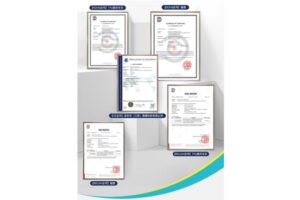
- Are test reports available for haze, tensile strength, elongation, adhesion and weathering?
- How is color consistency controlled between production batches?
- Can the manufacturer provide sample rolls for installation trials?
- Which roll widths, lengths, liner types and packaging options are available?
- Can logos, cartons, core labels, backing-paper printing and product codes be customized?
- How are complaints, lot traceability and replacement claims handled?
SolarDe supports OEM, ODM and private-label automotive film projects, including product selection, specification matching, color development and customized packaging. Technical requirements should be confirmed before mass production so that film performance, installation behavior and target-market positioning remain consistent.
Conclusion
Paint protection film is a multilayer automotive film that protects painted surfaces through a combination of a functional topcoat, flexible TPU substrate and pressure-sensitive adhesive. Clear PPF preserves the original finish, while matte and colored products can provide both protection and visual customization. Product quality depends on the complete construction, not on material name or thickness alone. Buyers should compare optical clarity, mechanical strength, adhesive performance, weathering results, coating durability and batch consistency before selecting a supplier.
Frequently Asked Questions About Paint Protection Film
Is paint protection film the same as a vinyl wrap?
No. Vinyl wrap is mainly designed to change vehicle color or appearance, while PPF is generally thicker and engineered to provide greater protection against chips, scratches and abrasion. Color PPF combines some visual customization features of vinyl with the protective structure of PPF.
Is PPF made from TPU?
Many modern premium PPF products use thermoplastic polyurethane as the main substrate. However, the quality of TPU, topcoat, adhesive and manufacturing process can vary significantly between products.
Can PPF prevent all stone chips?
No film can guarantee protection against every impact. PPF can reduce damage from many common road hazards, but sharp objects, high-speed debris and severe impacts may penetrate the film or damage the underlying paint.
Does self-healing PPF repair deep scratches?
Self-healing technology is generally intended for light surface marks in the topcoat. Deep cuts that extend through the film will not normally disappear and may require section replacement.
Can PPF be applied to matte paint?
Yes, but the selected film must match the intended finish. Clear matte PPF can preserve a factory matte appearance, while gloss film may change the surface sheen. A sample application should be evaluated before full installation.
How do I choose a PPF manufacturer?
Compare material traceability, technical data, quality-control procedures, production consistency, sample performance, customization capability and after-sales support. For wholesale, OEM or private-label requirements, contact SolarDe to request specifications, samples and a project quotation.