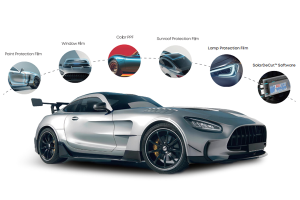
Paint Protection Film: Everything You Need to Know Before Installing PPF
A small rock hits the hood at highway speed. The paint chips. Over time, these tiny damages build up, ruining a car’s finish. Paint protection film stops this.
Paint Protection Film (PPF) is a clear, tough urethane material applied to a vehicle’s exterior. It guards against stone chips, scratches, bug stains, and UV fading. Before installation, understanding film quality, warranty, and installer skill is essential.
Knowing how PPF works and what options exist helps any car owner make a smart choice. The next sections explain the basics of paint protection film, its lifespan, the science behind it, and whether the cost makes sense.
What Is Paint Protection Film (PPF)?
Many drivers think wax or sealant is enough. But sharp gravel and road debris cut right through those layers. PPF offers a real shield.
Paint protection film is a thin, transparent thermoplastic urethane layer bonded to painted surfaces. It absorbs impacts, resists scratches, and blocks UV rays. Top films also self-heal light swirl marks with heat.
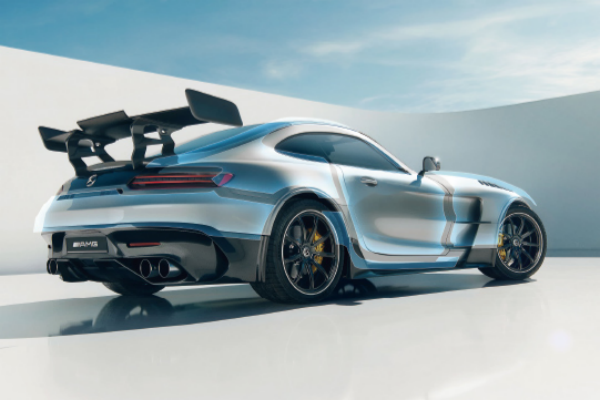
A quality PPF has multiple layers. The top clear coat provides gloss and self-healing. The urethane layer absorbs energy. The adhesive layer holds it without damaging paint. Early films were PVC-based and cracked. Today, most premium films use polyurethane, also called TPU. TPU is flexible, puncture-resistant, and less prone to yellowing. Some films also include a hydrophobic top layer that repels water and dirt. This construction means the film can stretch to fit curves. Installers use heat to shape it. The film then cures and becomes nearly invisible. Understanding these materials helps separate budget films from professional-grade products. High-end PPF often measures around 8 mils thick. It is virtually undetectable after proper installation. Maintenance is simple. The car can be washed as usual. The film does not require special wax. Good films come with a clear coat that resists stains from bugs and bird droppings. The adhesive is designed to be removable without lifting factory paint, a crucial difference from cheap alternatives. Factory paint remains pristine underneath. Installation by a certified technician matters because air bubbles, dust specks, or misalignment can ruin the final look. A clean environment and experienced hands are non-negotiable for a result that looks like the film was never there.
How long will PPF last on a car?
Car owners worry about peeling, yellowing, or cracking after a few years. Poor films fail fast. Premium options last a decade or more.
High-quality paint protection film typically lasts 5 to 10 years. Top-tier TPU films from reputable manufacturers often carry 10-year warranties against yellowing, cracking, and delamination. Exposure and care affect actual longevity.
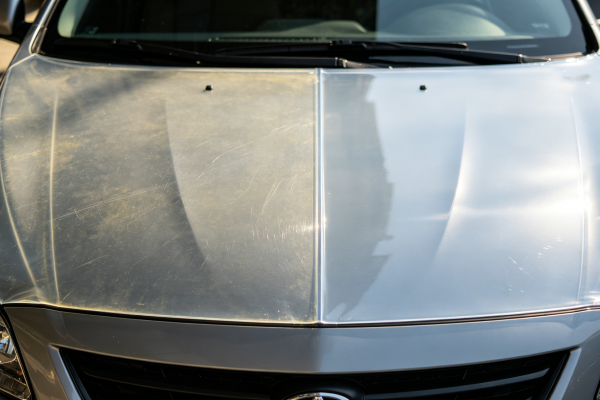
The lifespan depends on several things. First, the film quality matters the most. Cheaper PVC films degrade in 2 to 3 years. They turn yellow and become brittle. Professional-grade TPU films resist UV damage. They stay clear much longer. Second, installation plays a role. If edges are not sealed properly, dirt gets under the film. This causes peeling and lifting. Third, the environment matters. A car parked outside in intense sun all day will test the film faster. Regular use of harsh chemicals at automatic car washes also shortens life. To maximize years, a proven warranty should be a key factor. Many manufacturers back their film with a 10-year warranty. Some even offer limited lifetime coverage. These warranties cover yellowing, cracks, and loss of adhesion. The film may outlast the warranty if cared for properly. Proper care means using pH-neutral soap and avoiding abrasive cleaners. Regular inspection of edges can catch early lifting. High-pressure water should not be aimed directly at film seams. With these habits, a high-end PPF can look new for well over 7 years. It is also worth noting that film applied to darker colors may show minor imperfections sooner, but modern top coats have drastically reduced this issue. Film failure usually starts at edges, so precise trimming and post-heating are vital steps during installation. Investing in a film with documented long-term testing data provides confidence that the material can handle years of rock impacts and weather extremes without failing.
How Does Paint Protection Film Work?
A sharp stone hits the hood. Instead of a chip, the surface stays perfect. The secret lies in energy absorption and self-healing polymers.
PPF works by using an elastomeric polyurethane layer that spreads impact force over a wider area. A top coat with memory polymers heals scratches when heated. UV blockers stop fading.
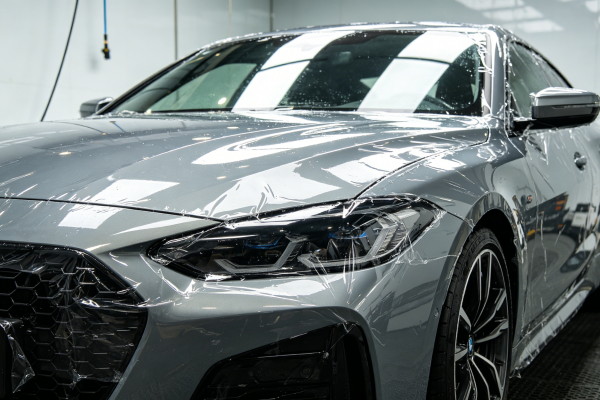
PPF is not just a hard shell. It is flexible. When a stone hits, the film stretches. This stretching turns kinetic energy into heat and spreads the force across a larger surface. Without film, the point of impact fractures the brittle paint. With film, the urethane layer absorbs the shock. The paint underneath remains untouched. The top layer has another critical feature. It is made of elastomeric polymers that return to their original shape after being disturbed. Light scratches and swirl marks disappear when the surface warms up. Heat from the sun or a heat gun activates this self-healing. The polymer chains re-flow to fill in the scratch. UV absorbers are blended into the film to prevent the sun’s rays from breaking down the layer or the paint underneath. Some advanced films have a ceramic coating built into the top layer for extra hydrophobicity. This means water beads off quickly. These features keep the film optically clear and functional for years. The combination of impact resistance and scratch recovery gives PPF a unique advantage over traditional waxes or ceramic coatings. A ceramic coating alone cannot stop a rock chip. PPF provides mechanical shielding that passive layers cannot match. The self-healing effect works on shallow scratches, but deep cuts that penetrate the top coat will remain visible. Still, the film sacrifices itself to protect the paint, which is its primary purpose.
Is it worth getting paint protection film?
Spending several hundred to a few thousand dollars on film can feel excessive. But comparing repair costs and resale value changes the equation.
For new, high-end, or leased vehicles, PPF is often worth the investment. It prevents stone chip repairs, preserves factory paint, and maintains resale value. The upfront cost balances long-term savings and worry-free driving.
Assessing the value goes beyond initial price. The car’s purpose must be considered. For a daily commuter driven on gravel roads, PPF on the front end prevents constant paint damage. Without protection, stone chips can rust and spread. For a show car, PPF keeps the finish flawless under harsh lights. The cost of PPF installation varies. A full-car wrap can exceed $5,000. Partial coverage for high-impact areas like the hood, bumper, and mirrors is more affordable. This cost must be weighed against repainting. A professional respray of a hood may cost $600 to $1,200, but matching factory paint is extremely difficult. PPF keeps the original paint intact, which is critical for collector value. Leasing agreements often charge for paint damage beyond normal wear. PPF avoids those end-of-lease penalties. The table below outlines a typical 5-year cost comparison for a vehicle with partial front-end coverage.
Cost-Benefit Analysis Over 5 Years
| Category | Without PPF | With PPF |
|---|---|---|
| Front-end repaint (one time) | $1,500 – $2,500 | $0 |
| Paint touch-ups / detailing | $200 – $500 | $0 |
| PPF installation (high-impact areas) | $0 | $800 – $2,000 |
| Resale value impact | Lower value due to repaint | Original paint, higher value (+$500-$1,500) |
| Stress and worry level | High | Low |
When the numbers are added, PPF often breaks even over a 5-year ownership period while keeping the car looking newer. For luxury or sports cars, the protection is almost essential. For everyday drivers, focusing on high-impact panels offers a practical and cost-effective balance. Additional factors include the climate. Cars in regions with harsh winters and road salt see more benefit because salt accelerates corrosion in paint chips. Vehicles with matte paint finishes also gain from PPF because matte paint cannot be buffed or corrected like gloss paint. The film preserves the unique texture without altering its appearance. While PPF is an investment, it shifts spending from reactive repairs to proactive preservation. The peace of mind when driving on the highway or parking near a construction site has tangible value that simple cost charts cannot fully capture.
Conclusion
PPF protects paint from chips, lasts years, and pays off. Choosing a quality film and pro installer makes all the difference.